

Introduction
The Arctic region is known for its harsh and unforgiving climate, with extreme cold temperatures and limited access to electricity grids. In such challenging conditions, reliable power sources are essential for supporting human activities, infrastructure, and industries. Diesel generators have long been a popular choice for providing electricity in arctic regions due to their robustness, versatility, and ability to operate in extreme cold environments. This article explores the importance of diesel generators in the Arctic, their unique features and challenges, as well as the advancements in technology that are making them more efficient and environmentally friendly.
Importance of Diesel Generators in Arctic Regions
The Arctic region poses unique challenges when it comes to providing electricity. The extreme cold temperatures, remote locations, and limited infrastructure make it difficult to connect to centralized power grids. In such circumstances, diesel generators play a crucial role in providing reliable and independent power sources for communities, industrial operations, research stations, and military installations in the Arctic.
One of the key advantages of diesel generators in arctic regions is their ability to operate in extreme cold temperatures. How to connect a 400kW generator to your building grid are known for their robustness and reliability in harsh conditions, making them well-suited for the challenging climate of the Arctic. Unlike other power sources that may struggle to start or operate in freezing temperatures, diesel generators can reliably provide electricity even in the coldest of environments.
Another important factor contributing to the popularity of diesel generators in the Arctic is their versatility. Diesel generators come in various sizes and configurations, making them suitable for a wide range of applications, from powering small remote communities to supporting large-scale industrial operations. Their ability to provide both standby power and prime power makes them a flexible choice for meeting the diverse energy needs of arctic regions.
Challenges and Considerations
While diesel generators offer numerous benefits for powering the Arctic, they also come with their own set of challenges and considerations. One of the primary concerns associated with diesel generators is their environmental impact. Diesel engines emit pollutants such as nitrogen oxides (NOx), particulate matter, and carbon monoxide, which can have detrimental effects on air quality and public health, especially in the pristine environment of the Arctic.
To address these environmental concerns, efforts are being made to develop cleaner and more efficient diesel generator technologies. Advancements in engine design, fuel quality, emission control systems, and alternative fuels are helping to reduce the environmental footprint of diesel generators in arctic regions. For example, the use of ultra-low sulfur diesel fuel and particulate filters can significantly reduce emissions and improve air quality in the Arctic.
Another challenge associated with diesel generators in the Arctic is their fuel supply logistics. The remote and isolated nature of arctic regions presents logistical challenges in transporting diesel fuel to generator sites, especially during the harsh winter months when ice roads may be the only viable transport option. Ensuring a reliable and continuous fuel supply is essential for the uninterrupted operation of diesel generators in the Arctic.
Advancements in Technology
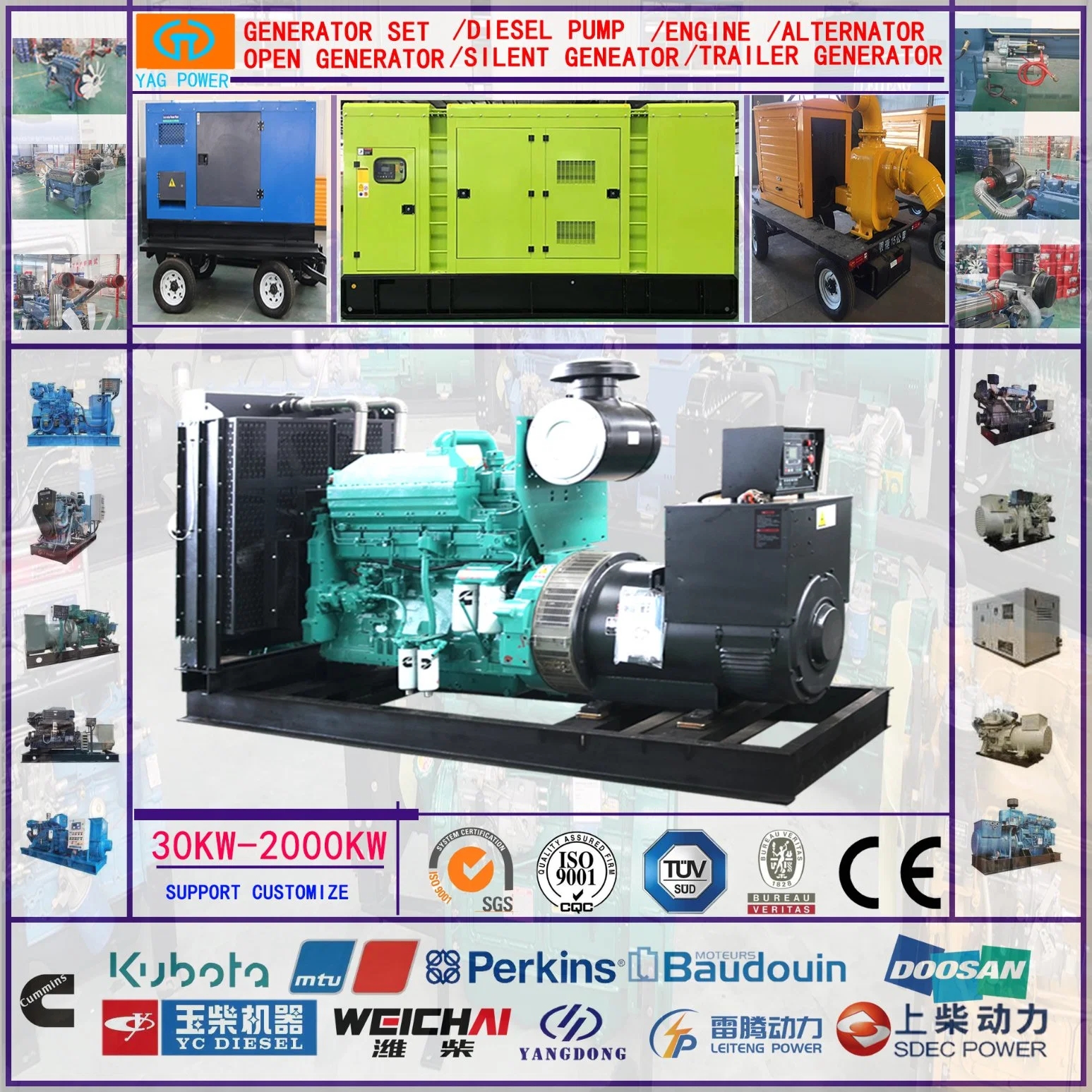
In recent years, significant advancements have been made in diesel generator technology to enhance their performance, efficiency, and environmental sustainability in arctic regions. One of the key areas of innovation is the development of cold weather packages for diesel generators. These packages include features such as block heaters, battery warmers, and preheating systems that help improve cold weather starting and operation of diesel generators in extreme temperatures.
Moreover, advancements in engine design and control systems have led to the development of more fuel-efficient and lower-emission diesel generators. High-efficiency diesel engines, electronic controls, and hybrid power systems are some of the technologies being adopted to improve the overall efficiency and reduce the environmental impact of diesel generators in the Arctic. These technological advancements not only help reduce operating costs but also contribute to a more sustainable energy solution for arctic regions.
Furthermore, the integration of renewable energy sources such as solar, wind, and hydro power with diesel generators is becoming increasingly popular in arctic regions. Hybrid power systems combine the reliability of diesel generators with the clean energy benefits of renewables, offering a more sustainable and resilient power solution for remote arctic communities and facilities. By leveraging the strengths of both diesel generators and renewable energy sources, hybrid power systems can reduce fuel consumption, emissions, and operating costs while enhancing energy security and reliability in the Arctic.
Case Studies and Best Practices
Several case studies and best practices demonstrate the successful deployment of diesel generators in arctic regions and highlight the importance of proper design, maintenance, and operation for optimal performance and reliability. For example, the use of redundant diesel generator systems with automatic transfer switches and remote monitoring capabilities is a common practice in arctic installations to ensure continuous power supply and minimize downtime.
Regular maintenance and servicing of diesel generators are essential to prevent breakdowns and ensure peak performance in extreme cold environments. Inspecting and replacing worn-out components, monitoring fuel quality, and conducting cold weather testing are some of the best practices recommended for maintaining the reliability and longevity of diesel generators in the Arctic.
Moreover, proper fuel management practices, such as fuel storage, filtration, and quality control, are critical for ensuring the integrity and stability of diesel fuel in arctic conditions. Cold weather additives, fuel polishing systems, and regular fuel testing can help prevent fuel degradation, gelling, and microbial contamination, which can compromise the performance and efficiency of diesel generators in the Arctic.
Conclusion
Diesel generators play a vital role in powering the Arctic, providing reliable and independent electricity sources for communities, industries, and facilities in extreme cold environments. Their robustness, versatility, and ability to operate in harsh conditions make them a popular choice for meeting the energy needs of arctic regions. Despite the challenges and environmental concerns associated with diesel generators, advancements in technology and best practices are helping to improve their performance, efficiency, and sustainability in the Arctic.
As the demand for energy in the Arctic continues to grow, the role of diesel generators is expected to remain significant in providing reliable power sources for various applications. By embracing innovation, adopting best practices, and integrating renewable energy solutions, diesel generators can continue to play a key role in powering the Arctic while minimizing their environmental footprint and contributing to a more sustainable energy future for the region.